Start with your area's water supply data, based on the latest Seqwater reporting. See what's entering your neighbourhood, and learn why that's only part of the story.
Seqwater Data
Instant Results
Free Access
Based on publicly available Seqwater data for your distribution zone. This data covers water quality at treatment and distribution level - before the last mile of pipes to your home. For a complete picture of what’s at your tap, keep reading.
Backed by data, not sales tactics
Sourced from public Australian water data.
SEQ
Source, store, and treat water in South East Queensland

NHMRC
National Health and Medical Research Council.

ADWG
Drinking Water Guidelines
All data sourced from publicly available Seqwater reporting for South East Queensland.
The Last Mile
The data above tells part of the story. Here's the rest.
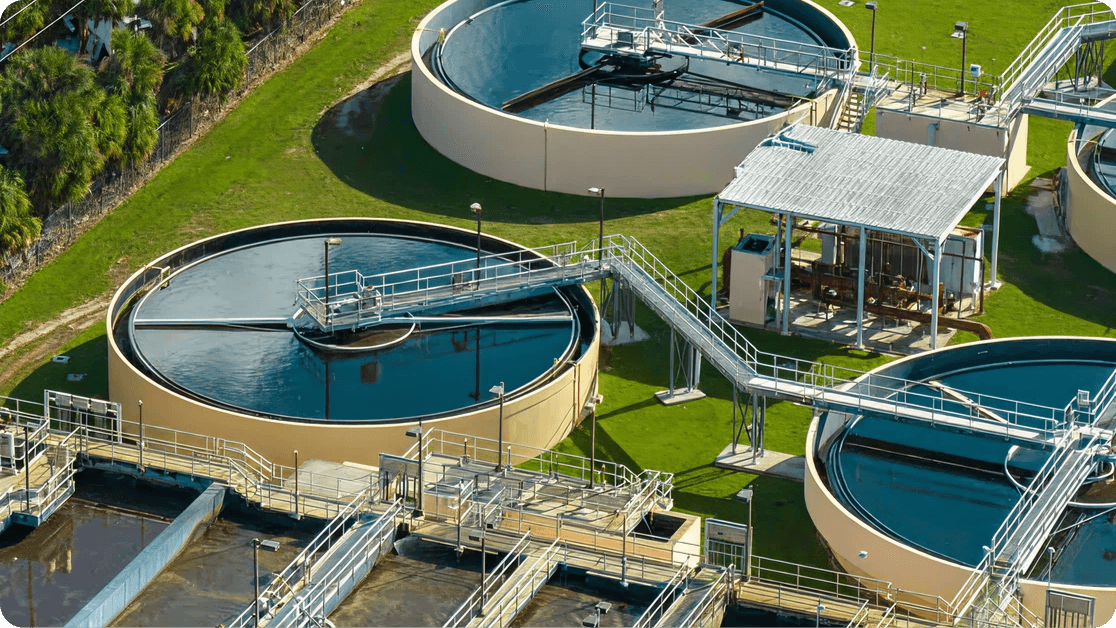
Water quality is tested at the treatment plant and monitoring points in the distribution network. But between those points and your tap, water travels through the last mile, and that changes everything.
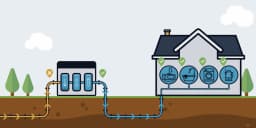
Treatment Plant
Water tested here
Monitored
Distribution Network
Sampling points
Monitored
Local Pipes
Ageing infrastructure
Not Tested
Your Plumbing
Your responsibility
Not Tested
Your Tap
What you actually drink
Not Tested
Ageing infrastructure
Decades-old pipes can introduce sediment, metals, and biofilm into water that tested clean at the monitoring point.
Chlorine decay
Chlorine decay
Disinfectant levels decrease as water travels. Homes further from the plant may have significantly less protection.
Your property's plumbing
Older homes with copper, lead, or galvanised pipes can add contaminants no public dataset accounts for.
Even a lab test only captures one moment.
Water quality isn't static. It changes with the seasons, weather events, treatment adjustments, and network conditions. The water you test today is not the same water you'll drink tomorrow. The water in February is not the same as August. That's not a scare tactic, it's physics and chemistry.
The real answer to “what is really in your tap water?” isn't a single test. It's a system that filters continuously, regardless of what's in the supply on any given day.
The Full Picture
We believe you deserve the full picture.
Honest, well-sourced explanations of how your water is treated, what the regulations say, what's changing, and where the system has room to improve.
Key Investigation
The Reporting Gap: Why Your Tap Water Isn’t Tested — And What That Means for Australian Homes
An in-depth look at how water quality is monitored in Australia, why testing stops before the last mile, and what it actually takes to get a real answer about your water.
What to Watch in 2026: PFAS, Microplastics & the Future of Drinking Water in Australia
PFAS, microplastics, disinfection byproducts and new water science. What’s changing in Australian drinking water in 2026 and what it means for your tap.
Whether you start with our free postcode data, a lab-grade tap test, or a full water assessment, we meet you where you are.
1. Understand your water
Start with your area's supply data. Want to go deeper? We facilitate lab-grade testing through our partners at the University of New South Wales
2. Design the right solution
Based on your data, your property, and your household's needs, a system that works continuously, not just on the day you test. If filtration isn't the answer, we'll say so
3. Install and support it properly
We manage the entire process and work with trusted installation partners we've vetted ourselves. Professional installation, ongoing support, and one point of contact throughout.
Clear steps. Clear expectations. No pressure.
Part of something bigger
OneWater Australia is part of the One(X) Australia group, alongside One Solar Australia and One Finance Australia. Our laboratory testing is facilitated through our partnership with the University of New South Wales.
Our systems are designed specifically for Australian conditions and meet strict national standards. From assessment to installation and ongoing support, we manage the process end-to-end with trusted partners we stand behind.
OW
OneWater
Water Filtration
OS
One Solar
Solar Energy
OF
One Finance
Finance Solutions
UNSW
UNSW
Lab Testing Partner
ADWG
ADWG
Guidelines Compliant
NATA
NATA
Accredited Testing
What People Notice When They Switch
Reviews
"Professional installation and excellent customer service. Their team installed our water filter system and it was seamless. "
Maddy Chelini
Homeowner, Melbourne
Your water changes every day.
Your confidence in it shouldn't.
Public data shows what's entering your area. A lab test shows what's at your tap right now. A whole-home system gives you consistent quality, every day. We'll help you understand which level of clarity is right for you.
A whole-home water filtration system treats the water at the point it enters your home. This means filtered water is delivered to every tap, including showers, bathrooms, laundry, and kitchen, not just one drinking tap.
How is this different from an under-sink or jug filter?
Under-sink and jug filters only treat drinking water at a single point.
Whole-home systems:
Improve water quality throughout the entire house
Help protect plumbing and appliances
Provide filtered water for bathing and cleaning, not just drinking
Many households choose whole-home filtration for the broader lifestyle and household benefits.
Will filtration reduce my water pressure?
When properly specified and installed, a whole-home system should not noticeably reduce water pressure. Our systems are designed for Australian homes and assessed against your existing plumbing and usage needs.
Is Australian tap water safe?
Australian tap water is regulated, but "safe" doesn't always mean ideal.
Water quality can vary by region, age of infrastructure, plumbing materials, and treatment methods. Many households notice issues with taste, odour, skin irritation, or mineral build-up, which is often what prompts people to seek filtration.
A water assessment helps clarify what's actually coming into your home.
What's commonly found in tap water?
Depending on location, tap water may contain:
Chlorine or chloramine used for disinfection
Sediment and minerals
Heavy metals from older pipes
Agricultural or industrial by-products in some areas
Not every home has the same issues. That's why when we start with understanding your specific water supply.
How do I know if my water needs filtration?
If you've noticed changes in taste, smell, skin dryness, limescale, or you simply want greater peace of mind, it's worth checking. Many concerns aren't visible, which is why an assessment is the best first step rather than guessing.
Why choose OneWater Australia?
Customers choose OneWater because we offer:
Clear explanations without pressure
End-to-end service from one experienced team
Systems designed for Australian conditions
Ongoing support beyond installation
We focus on helping you make the right decision for your home, not a rushed one.
What's the best next step?
If you're curious about your water and want clear answers, the best next step is a conversation.
Book a free water assessment
No obligation. No pressure. Just expert guidance you can trust.
What are the ongoing costs of a whole-home water filtration system?
Cost depends on factors such as:
Your water supply
Household size and usage
System configuration
We don't believe in giving generic pricing before understanding your needs. A water assessment allows us to provide clear, accurate recommendations.
Is the assessment really obligation-free?
Yes. The assessment is about understanding your water and explaining your options. There's no requirement to proceed.
Can filtered water help with skin and hair?
Many customers report that filtered water feels gentler on skin and hair, particularly during showers and baths. Reducing chlorine and other irritants can be beneficial, especially for sensitive skin.
Individual experiences vary, which is why expectations are discussed clearly during assessment.
Does filtered water taste different?
Yes. Many people notice an improvement in taste and smell after filtration, which often leads to drinking more water and reducing reliance on bottled water.
What happens during installation?
Installation is handled by our experienced team and typically involves:
Preparing the system
Integrating it into your existing plumbing
Testing and commissioning
We explain what to expect beforehand and aim to minimise disruption to your home.
How long does installation take?
Installation time varies depending on the system and your home, but it's usually completed within a day. We'll confirm timing during your assessment.
Do I need to be home during installation?
Yes, someone will need to be home during installation. We coordinate timing with you to make the process as convenient as possible.
How often do filters need replacing?
Filter replacement schedules vary depending on system design and water usage. We'll explain the recommended schedule clearly and provide ongoing support to keep your system performing as intended.
Is ongoing maintenance required?
Like any home system, periodic maintenance is important. We provide guidance and support so you're never left wondering what needs to be done or when.
What happens if I move house?
In many cases, systems can be relocated. This can be discussed during your assessment so you understand your options upfront.
How are your systems designed?
Our systems are designed specifically for Australian water conditions. They meet Australian standards and certification requirements and are selected based on suitability, not one-size-fits-all packages.
Are your systems compliant and certified?
Yes. All systems are specified to meet relevant Australian standards and certification requirements. Compliance is a non-negotiable part of how we operate.
Do I need to understand the technical details?
No. We explain everything in plain English and answer any questions you have. Technical detail is available for those who want it, but you never need to become an expert to feel confident in your decision.
Concerned about what's in your tap water?
Many people start here. Not because they're alarmed, but because they want clear, factual answers.
Tap water quality in Australia can vary by region, infrastructure, and source. Below are some of the most common substances people ask us about.
How do I know if my water needs filtration?
If you've noticed taste or odour issues, dry skin after showering, limescale on appliances, or you simply want greater peace of mind, it's worth checking. Many water quality concerns aren't visible, which is why understanding your specific supply matters.
PFAS (Per- and polyfluoroalkyl substances)
PFAS are often referred to as "forever chemicals" because they don't easily break down in the environment.
They have been detected in some Australian water supplies, particularly near industrial sites, airports, and firefighting training areas. While levels are regulated, many households prefer to reduce long-term exposure where possible.
A water assessment helps determine whether PFAS reduction is relevant for your area and household.
Chlorine
Chlorine is commonly used to disinfect drinking water and prevent harmful bacteria.
While effective for treatment, chlorine can:
Affect taste and smell
Contribute to dry or irritated skin and hair
React with organic matter in water to form by-products
Many people choose filtration to reduce chlorine while still maintaining safe, treated water.
Fluoride
Fluoride is added to drinking water in many parts of Australia to support dental health.
Some households prefer to reduce fluoride intake due to personal health preferences, sensitivities, or dietary considerations. Others are comfortable with it and choose not to.
Filtration is about choice. We explain options clearly so you can decide what's right for your home.
Heavy metals
Heavy metals such as lead, copper, or aluminium can enter water through:
Older plumbing and pipes
Fixtures and fittings
Local infrastructure
Even when municipal water meets standards, metals can be introduced between the street and your tap. Filtration can help reduce exposure, particularly in older homes.
Microplastics
Microplastics have been found in water sources worldwide, including drinking water.
Research into long-term health impacts is ongoing, but many households choose filtration as a precautionary measure to reduce potential ingestion.
Rust and sediment
Rust, sediment, and particulate matter are often linked to:
Ageing pipes
Pipe repairs in the area
Bore or regional water supplies
These particles can affect water clarity, taste, and appliance longevity. Filtration can help remove visible and invisible particulates before they circulate through your home.
Limescale and mineral hardness
Hard water minerals can cause buildup on:
Appliances
Shower screens
Kettles and coffee machines
While not usually a health concern, many households choose filtration to protect their home and reduce ongoing maintenance.
Bacteria and microorganisms
Municipal water supplies are generally well-managed, but bacteria can become a concern in specific situations, such as:
Tank or bore water
After plumbing or infrastructure work
Localised contamination events
Filtration options can be discussed based on your water source and household needs.
Taste and odour issues
Sometimes the concern is simple: the water just doesn't taste or smell right.
Seasonal changes, treatment adjustments, and local conditions can all affect taste and odour. Filtration can help provide more consistent, pleasant water quality.
Do regional water supplies differ?
Yes. City, regional, bore, and tank water can vary significantly.
There's no one-size-fits-all solution, which is why we start with understanding your specific water supply before making recommendations.
What is whole-home water filtration?
A whole-home system treats water at the point it enters your home, delivering filtered water to every tap, including bathrooms, laundry, and kitchen.
Will filtration reduce water pressure?
When properly specified and installed, whole-home systems should not noticeably reduce water pressure. Our systems are designed for Australian homes and assessed against your plumbing and usage needs.