The Reporting Gap: Why No One Tests at Your Tap
"When Australians turn on the tap, they’re told their water is “safe.”
And in most cases, it is."
Australia has some of the strictest drinking water guidelines in the world. But here’s the question few people ask: Where exactly is water tested — and where does that testing stop?
Because there’s an important distinction between water leaving a treatment plant… and water flowing from your kitchen tap. This is what we call the reporting gap.
How Water Quality Is Monitored in Australia
Drinking water in Australia is regulated under the Australian Drinking Water Guidelines (ADWG), published by the National Health and Medical Research Council (NHMRC). Water utilities test for:
- Microbial contamination (E. coli, pathogens)
- Chemical contaminants (arsenic, lead, nitrates)
- Disinfection by-products
- pH and turbidity
- Residual chlorine
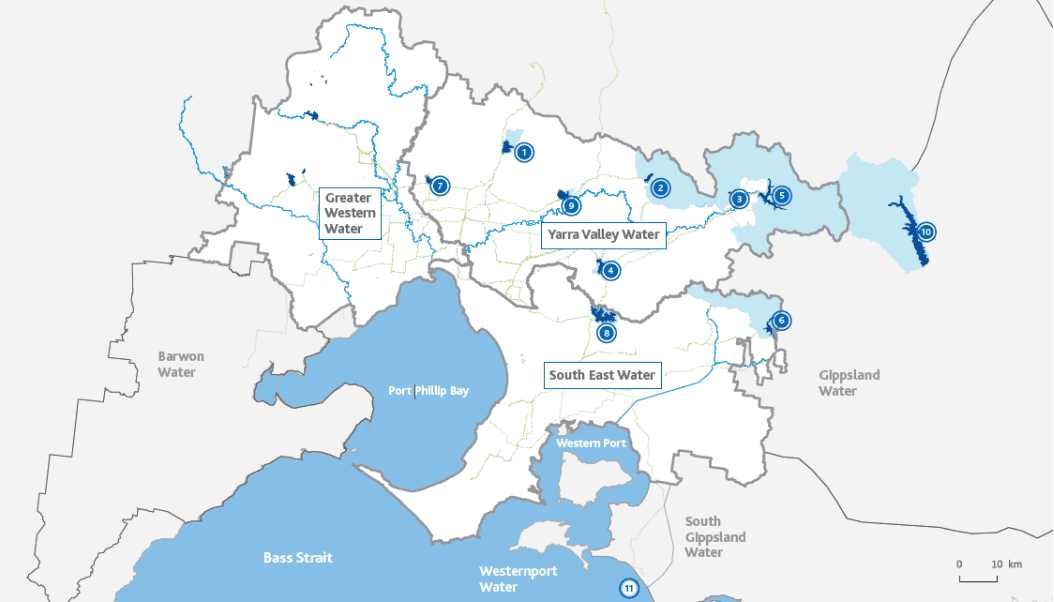
These tests are conducted at:
- Treatment plants
- Distribution networks
- Selected sampling points across supply zones
Water authorities publish annual water quality reports showing compliance rates typically above 99%. On paper, the system works. So where’s the gap?
Testing Stops Before the “Last Mile”
Water utilities are responsible for water quality up to the property boundary. From there, the plumbing inside your home becomes the homeowner’s responsibility.
This matters because between the treatment plant and your tap, water can travel:
- Through kilometres of ageing infrastructure
- Through legacy pipes that may contain copper, iron or lead solder
- Through household plumbing systems that vary in age and material
Studies by state health departments acknowledge that water quality can change within private plumbing systems due to stagnation, corrosion, temperature, and pipe materials.
In other words: The water tested in the street is not always identical to the water sitting overnight in your kitchen pipes.
.png&w=3840&q=75)
What Happens Inside Household Plumbing?
Several documented factors can influence tap water quality inside homes:
1. Metal Leaching
Older plumbing systems can release small amounts of copper, lead, or nickel — particularly when water has been sitting in pipes for hours.The NHMRC notes that metal concentrations can increase during stagnation.
2. Chlorine By-Products
Chlorine is used to disinfect drinking water. It’s effective and necessary. However, when chlorine reacts with natural organic matter, it can form disinfection by-products (DBPs).These are monitored at system levels — but levels can fluctuate throughout the distribution network.
3. Biofilm Formation
Biofilms (thin microbial layers) can form inside pipes over time. While usually controlled within regulated systems, private plumbing conditions vary widely.4. Emerging Contaminants
Compounds such as PFAS, pharmaceutical residues, microplastics and endocrine-disrupting chemicals are increasingly studied worldwide. Regulatory frameworks are evolving, but monitoring standards differ between jurisdictions."None of this means your water is unsafe. It means your tap is the final delivery point — and rarely the testing point."
Why Routine Tap Testing Isn’t Standard
Comprehensive water testing at every household tap would be logistically and financially impractical. Instead, regulators rely on:
- Risk management frameworks
- Statistical sampling
- Infrastructure compliance
- Preventative treatment protocols
This system works at a population level. But it does not provide household-specific answers.
If you want to know exactly what’s in your water at your tap, you typically need to arrange independent testing.
The Confidence vs Control Question
Here’s where many homeowners find themselves: “I trust the system. But I still want more control.”
This is where personal water filtration enters the conversation — not from fear, but from preference.
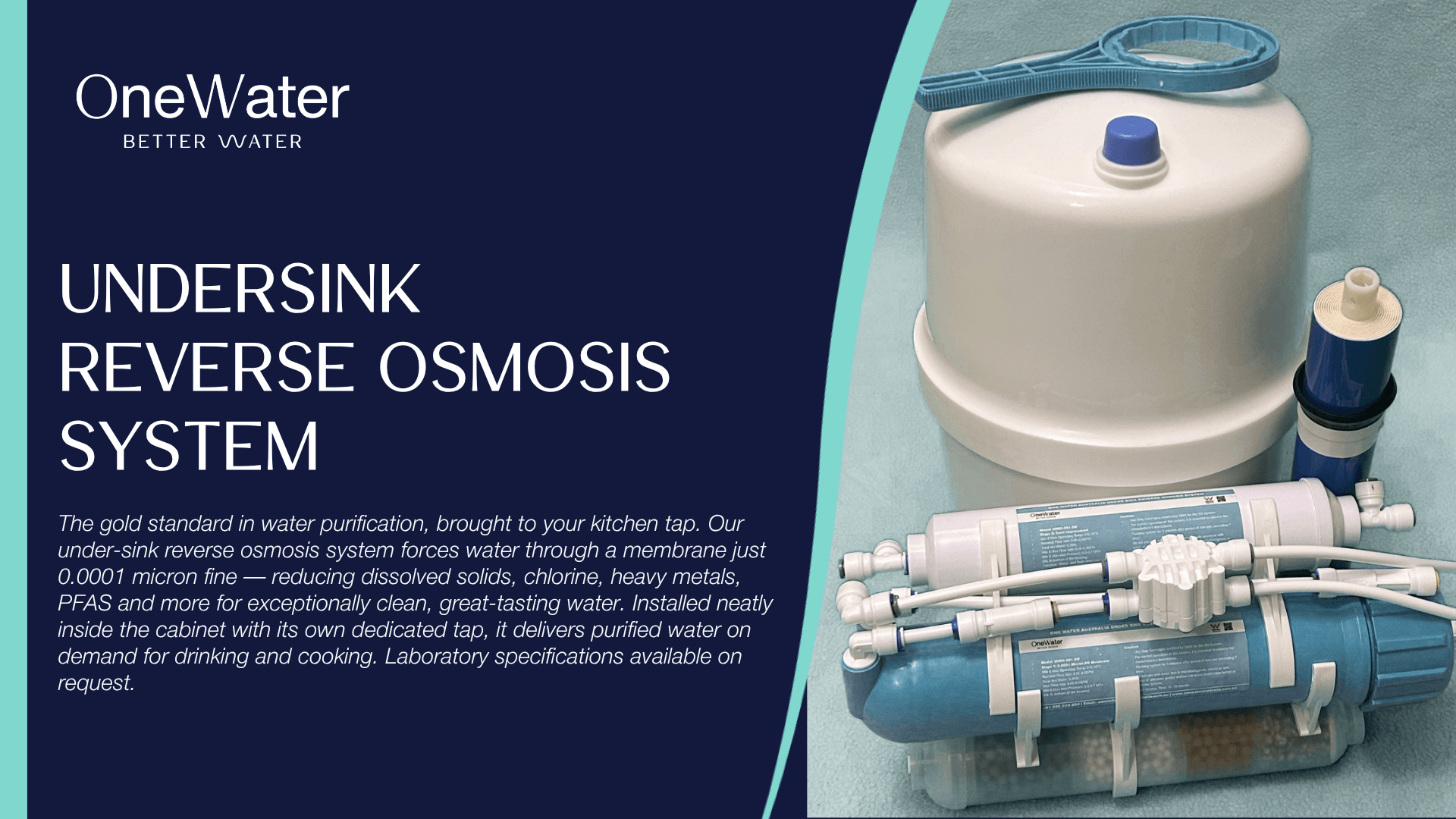
TA professionally installed home water filtration system provides an additional layer of control within your own plumbing system.
Depending on configuration, a whole house water filter can:
- Reduce sediment and scale
- Lower chlorine levels
- Improve taste and odour
- Protect appliances
- Improve shower water quality
An under sink water filter focuses specifically on drinking water. For many families, it’s less about distrust — and more about optimisation.
The Appliance Factor Most Reports Don’t Mention
Water quality doesn’t only affect health perceptions.Hard water minerals such as calcium and magnesium contribute to limescale build-up in:
- Hot water systems
- Dishwashers
- Washing machines
- Taps and fixtures
Research consistently shows that mineral scale reduces appliance efficiency and lifespan. Water authorities report on compliance. They don’t report on the long-term impact on your kettle.
Steam, Showers and Inhalation
When hot water is used in showers, residual chlorine can vaporise into steam. The Environmental Protection Agency (EPA) in the United States notes that inhalation exposure to chlorine during showering can occur, though typical municipal levels are considered safe under guidelines. Some households choose shower water filtration as part of a broader water filtration system for the home to reduce this exposure pathway. Again — not from alarm, but from preference.
Some households choose shower water filtration as part of a broader water filtration system for the home to reduce this exposure pathway. Again — not from alarm, but from preference.
So What Actually Gives You a Real Answer?
If you want clarity about your tap water, there are three practical steps:
- Review your local water authority’s annual report.
- Consider independent laboratory testing of your household tap.
- Assess whether a water filter system aligns with your preferences for taste, appliance protection, or contaminant reduction.
Water quality in Australia is generally high by global standards. But the reporting framework measures system compliance — not individual tap conditions.
And that’s the gap.
Why This Matters for the Modern Household
Consumers today are more informed. They care about:
- Endocrine-disrupting chemicals
- PFAS
- Microplastics
- Heavy metals
- Long-term exposure trends
Even when levels fall within regulatory limits, many prefer an additional safeguard. A well-designed water filtration system is not a rejection of public infrastructure. It’s a personal choice for additional control inside the home.
If you’re ready to explore options, OneWater Australia can help you assess your needs and find the right filtration solution.
The Bottom Line
Australia’s water system is robust. But it’s built around network compliance — not individual tap transparency.
If you’ve ever wondered:
- Why does my water taste different some days?
- Why is there limescale in my kettle?
- Why does my skin feel dry after showering?
- Why doesn’t anyone test my actual tap?
You’re not alone.
The reporting gap isn’t about fear.
It’s about understanding where responsibility shifts — and deciding how much control you want over your own water.