
Our Environment
Better water for your home. Less impact on everything beyond it.
Choosing filtered water isn't just a personal decision. Every household that switches from bottled water, runs more efficient appliances, and reduces chemical discharge makes a small but real contribution to a larger picture. None of it is dramatic, but all of it adds up.
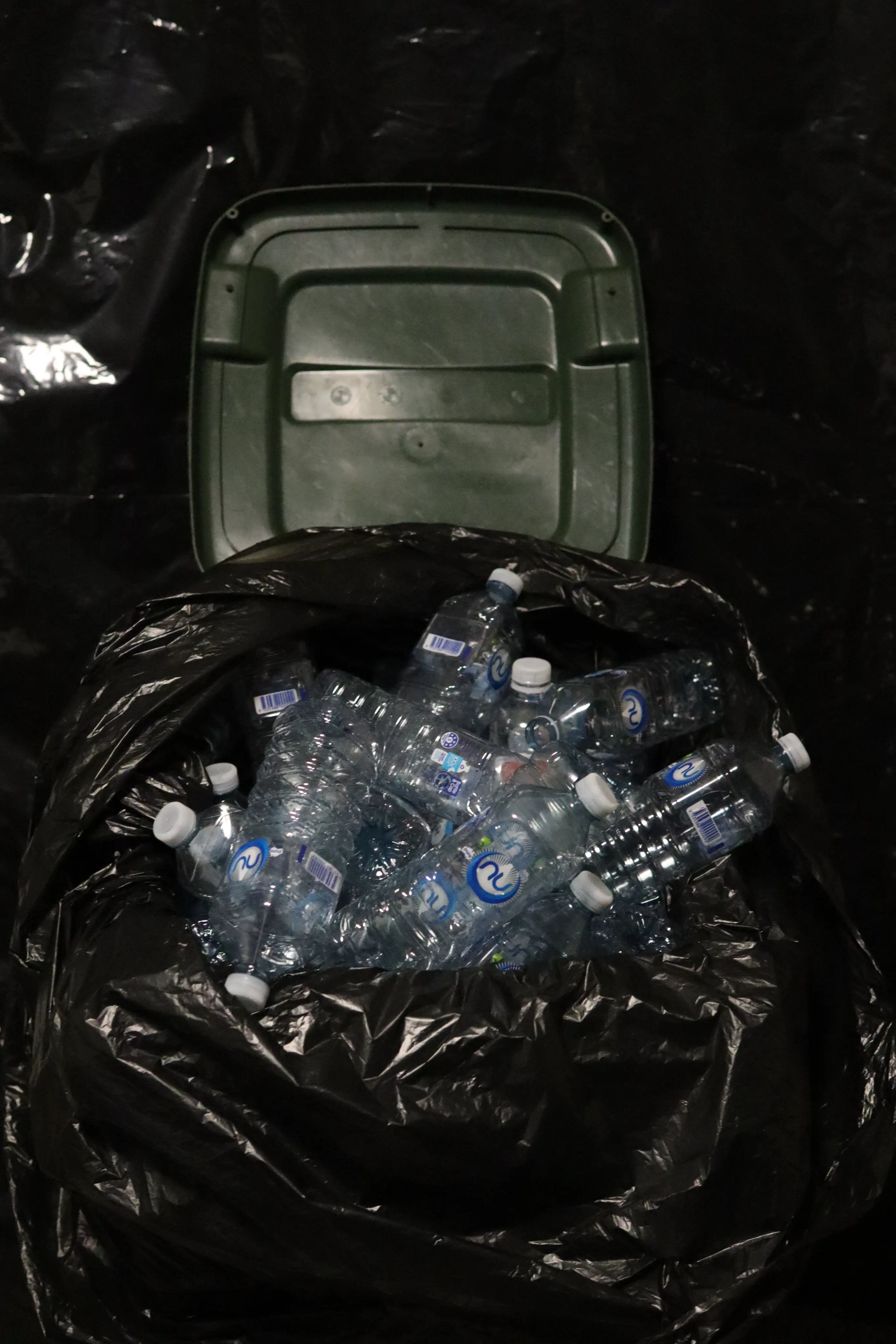
The plastic bottle problem - and the straightforward solution.
Most people who buy bottled water regularly don't do it because they think it's environmentally responsible. They do it because they're uncertain about their tap water, or because they find filtered water genuinely better. Filtration addresses the underlying reason without the ongoing waste.
HOW FILTRATION REDUCES YOUR HOUSEHOLD'S ENVIRONMENTAL FOOTPRINT.
The environmental benefits of home filtration extend beyond eliminating plastic bottles. Each area below represents a real reduction in resource use or waste generation.
Plastic waste eliminated at source
A household switching from regular bottled water purchases to filtered tap water removes hundreds of plastic bottles from landfill and ocean-bound waste streams annually. The filter itself is replaced on a managed schedule and is far less wasteful per litre than single-use packaging.
Appliance efficiency maintained longe
Scale build-up in hot water systems and appliances increases energy consumption - sometimes significantly. A hot water system operating on hard water consumes more energy than one protected by filtered water. Reducing scale keeps appliances running at their designed efficiency for longer, lowering both energy use and the environmental cost of premature replacement.
Reduced chemical detergent use
Hard water reduces the effectiveness of laundry and dishwasher detergent, causing households to use more product to achieve the same result. Filtered water allows detergent to work as formulated - meaning less product per wash, less chemical discharge into wastewater systems, and lower ongoing purchase costs.
Less cleaning chemical discharge
Scale and mineral build-up in bathrooms and kitchens drives use of limescale removers and harsh cleaning products. These chemicals enter the wastewater system and ultimately the broader water cycle. Reducing scale reduces the need for them.
Microplastic exposure reduced
Microplastics have been detected in bottled water at concentrations higher than in filtered tap water. Our filtration systems remove microplastics at the point of use - meaning less microplastic enters your household and, eventually, less enters wastewater systems from household sources.
Switching from bottled to filtered isn't a sacrifice. It's a straightforward swap that's better for your health, your wallet, and the environment at the same time.

The bigger picture - why individual choices matter.
No single household decision solves global water scarcity or plastic pollution. But the choices made across millions of Australian households add up to a measurable impact.
If one in ten Australian households switched from regular bottled water purchases to home filtration, the reduction in single-use plastic would be in the billions of bottles annually. The reduction in energy consumption from more efficient appliances would be similarly significant.
The environmental case for home filtration isn't built on grand claims. It's built on a simple logic: a system that produces better water for your home, lasts for years, and requires no single-use packaging is a better choice than the alternative in almost every dimension that matters