Extended appliance lifespan
Hot water systems, dishwashers, washing machines, and kettles all last longer when not fighting scale accumulation and chemical corrosion.

Water touches almost everything in your home - your pipes, appliances, shower screens, laundry, garden. Hard water and chemical disinfectants accumulate slowly, and the effects build up over time. Most people notice the cost in repairs and replacements before they connect it to water quality. Filtered water addresses the problem at the source

Hard water contains elevated levels of calcium and magnesium. These minerals are not harmful to drink - but they leave deposits wherever water flows, evaporates, or heats. Over time, those deposits restrict flow, reduce efficiency, and shorten the life of everything they touch.
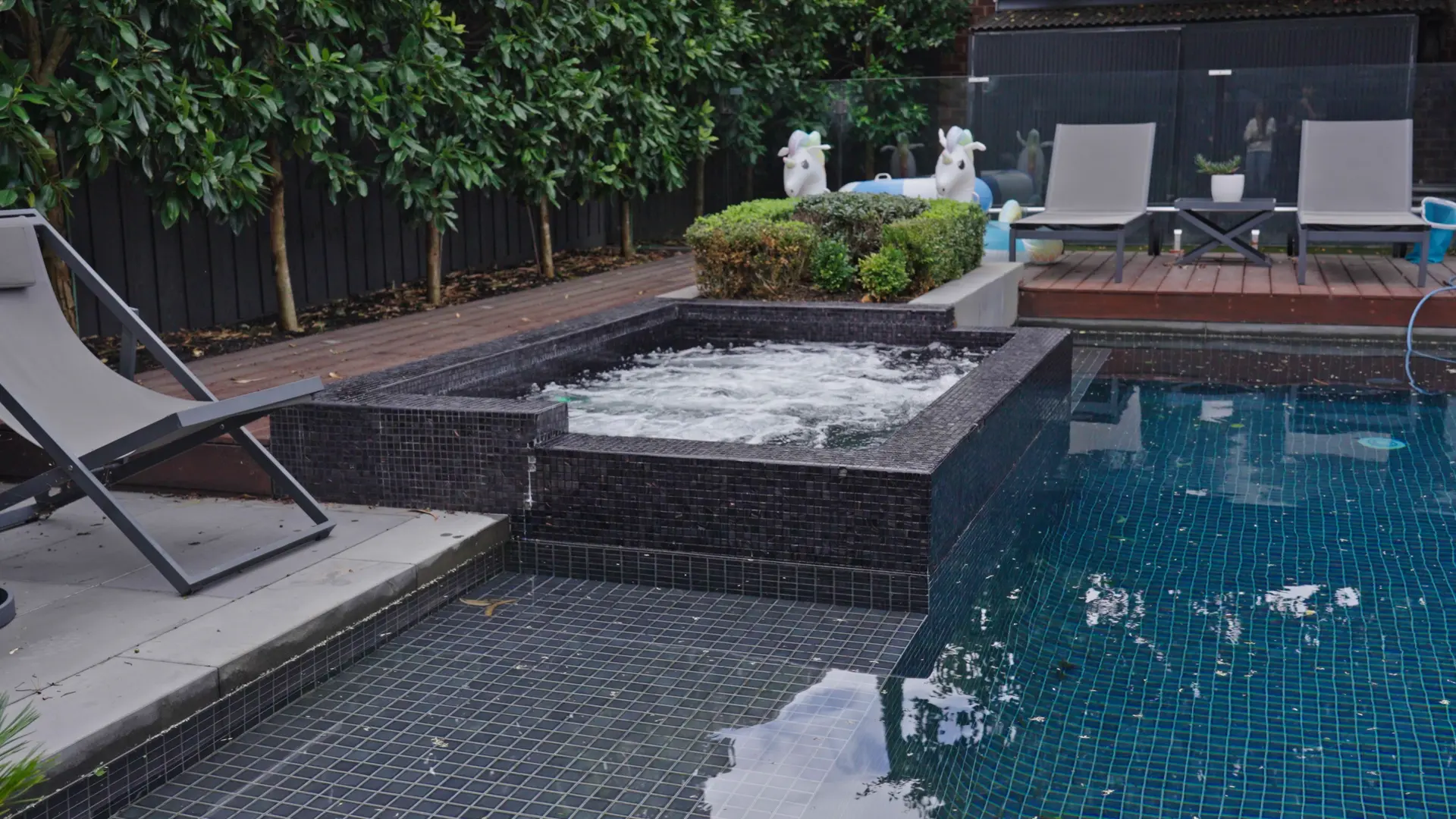
The whole-home system treats water before it enters your pipes - which means the protection extends to every appliance, fitting, and fixture that uses water.

Scale on heating elements is the leading cause of hot water system inefficiency and early failure. Filtered water with reduced mineral content keeps elements clean, maintains efficiency, and extends service life significantly.

Hard water is the primary reason dishwashers leave spots on glassware and film on dishes. Filtered water produces genuinely clean results without the residue - and keeps internal components free of the scale build-up that causes premature wear.

Hard water reduces the effectiveness of detergent, requiring more product to achieve the same result. It also leaves mineral residue in fabric fibres over time, making clothing and linen feel stiffer and look duller. Filtered water requires less detergent and produces genuinely softer laundry.

Limescale in kettles and coffee machines is more than an aesthetic issue - it affects taste, extends heating time, and eventually causes failure. Both appliances last longer and perform better when running on filtered water

Mineral deposits restrict flow and corrode internal components over time. Filtered water keeps fixtures clean and extends their working life. The reduction in cleaning time alone is noticeable within weeks

Scale accumulation inside pipes narrows flow over years. Chloramine, in particular, has been shown to accelerate corrosion in copper piping, which can then leach copper into drinking water. Whole-home filtration removes both the scale-causing minerals and the corrosive disinfectants before they reach your plumbing
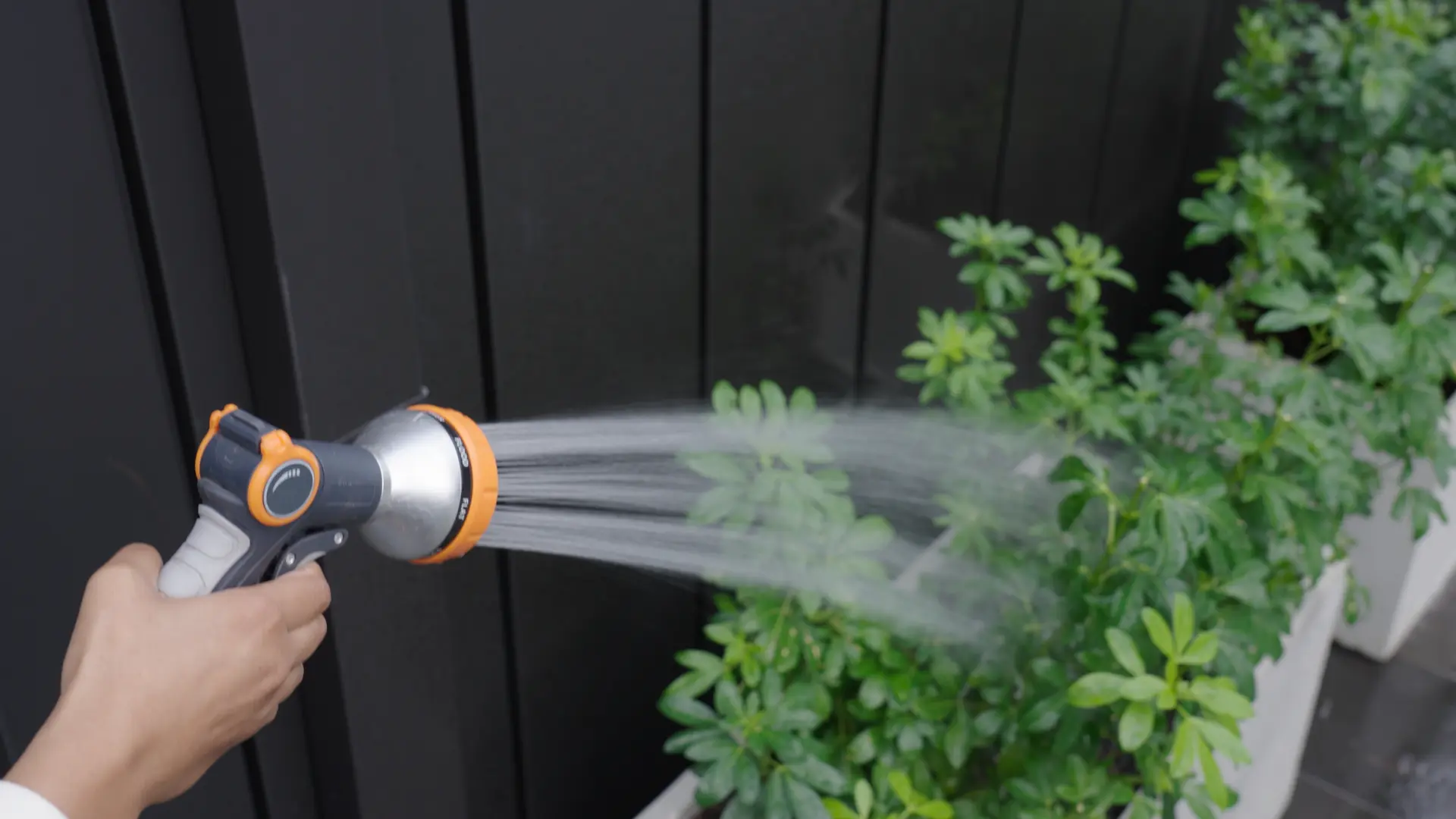
FOR GARDENERS
Chlorine and fluoride - both common in municipal tap water - can affect plant health, particularly in sensitive species. Chlorine is toxic to many beneficial soil organisms that plants rely on. Fluoride sensitivity shows up as browning or burning on leaf tips, particularly in peace lilies, spider plants, and many native Australian species. Filtered water used for watering doesn't carry these chemical loads. For indoor plants, veggie gardens, or any garden with sensitive species, the difference is often visible within a few weeks. Soil microbiology also benefits - the beneficial bacteria and fungi that support plant health are less disrupted when chemical disinfectants are removed from the equation.
The cost of hard water and chemical exposure in a home accumulates quietly. Appliances replaced earlier than they should be. Plumbers called for pipe issues that filtered water would have prevented. Cleaning products purchased to address scale and residue. Detergent used in excess because hard water reduces its effectiveness.
Hot water systems, dishwashers, washing machines, and kettles all last longer when not fighting scale accumulation and chemical corrosion.
Scale on heating elements forces appliances to use more energy. Filtered water maintains efficiency across your hot water system and any appliance that heats water
Fewer digestive complaints linked to water quality in households with known contaminant issues
Cleaner pipes, better pressure, and reduced corrosion from chemical disinfectants. Most households see a noticeable reduction in minor plumbing issues over time.